Why Is My Radiator Cold at the Bottom?
A radiator that is hot at the top but cold at the bottom usually points to sludge or a circulation problem, not trapped air.
By Pansa Editorial Team · Published Oct 15, 2025
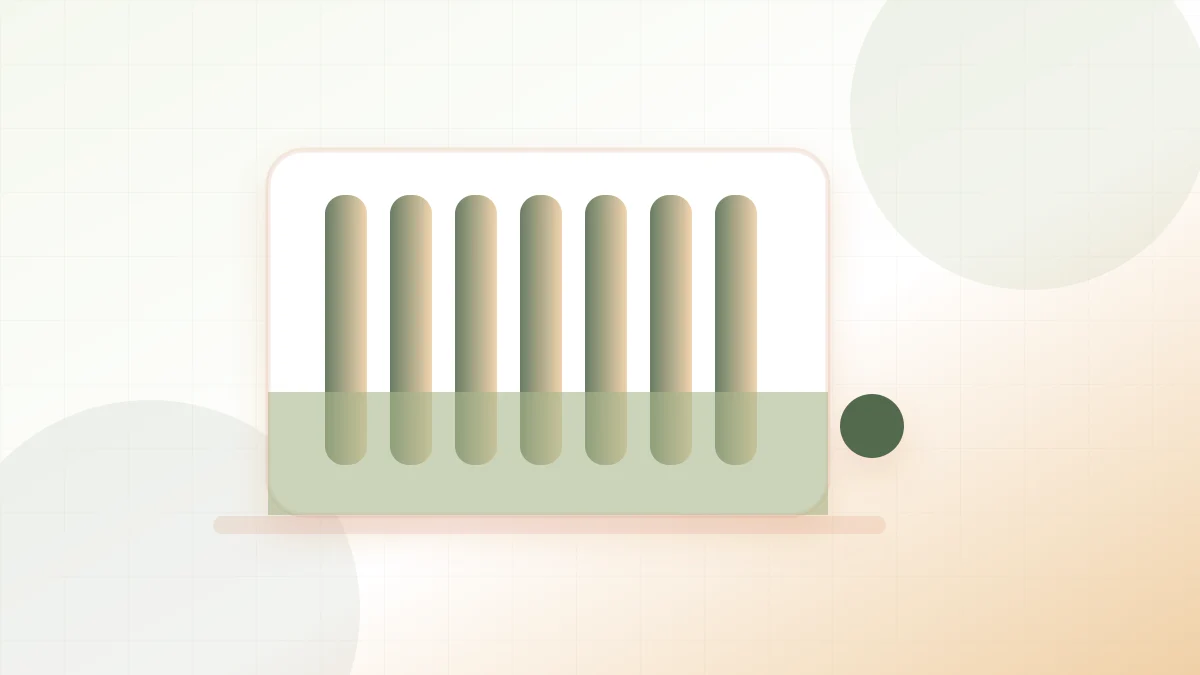
A radiator that is warm at the top but cold along the bottom is one of the most common heating complaints. It usually means hot water is reaching the radiator, but something is stopping it from filling the whole emitter. Here are the realistic causes and what is safe to check at home.
What it usually means
A cold-bottom radiator is the opposite pattern from a cold-top radiator. Cold tops typically mean trapped air. Cold bottoms typically mean something is sitting in the radiator and blocking flow — most often sludge.
Sludge buildup
Sludge is a mixture of iron oxide (rust) and other debris that builds up in the lowest parts of a heating system over years. Because it is heavier than water, it settles in the bottom of radiators and in horizontal pipework. As it accumulates, water can no longer reach the bottom of the radiator, so that area stays cold.
Poor circulation
Even without sludge, a weak pump, partially closed valves, or an unbalanced system can starve some radiators of flow. The radiator at the end of a long run, or one upstairs from a struggling pump, may show cold patches as a symptom.
Trapped air vs cold-bottom symptoms
It is worth confirming the pattern before assuming sludge. Run the heating for at least 20 minutes and feel the radiator from top to bottom. Cold at the top, warm at the bottom usually means air. Warm at the top, cold at the bottom usually means sludge or flow problems.
Thermostatic valve issues
A stuck thermostatic radiator valve can also restrict flow. If the pin under the head is seized, the valve might be partially closed even when the head is set to maximum. The radiator valve guide explains how these work.
Boiler pressure considerations
Very low system pressure can produce uneven heating across radiators. Most domestic systems should sit between roughly 1.0 and 1.5 bar when cold. Repeated pressure drops suggest a leak somewhere in the system and should be investigated by a qualified engineer.
What homeowners can check safely
- Confirm both radiator valves are fully open.
- Check the thermostatic head is calling for heat and turns freely.
- Bleed the radiator to confirm whether air is the issue.
- Read the boiler pressure gauge with the system cold.
- Note whether one radiator is affected or several across the property.
When to call a heating professional
If the cold patch persists after basic checks, a heating engineer can power flush or chemically clean the system, rebalance flow, and dose the system with a corrosion inhibitor. These are not DIY tasks for sealed heating systems.
Before the appointment, write down which radiators are affected, how quickly they warm, whether the boiler pressure changes, and whether the problem appeared suddenly or slowly. That small record helps a professional distinguish sludge, balancing, pump, and valve issues more quickly.
Prevention tips
- Have a magnetic system filter installed and serviced annually.
- Maintain proper inhibitor levels in the system water.
- Bleed radiators at the start of every heating season.
- Avoid draining the system unnecessarily; fresh water introduces oxygen.
Frequently asked questions
Q.Is sludge dangerous?
It is not dangerous to people but it shortens the life of the boiler, pump, and radiators and reduces efficiency. Left long enough, it can cause failures.
Q.Can I flush the radiator myself?
Removing and flushing a single radiator outside is possible for experienced DIYers, but draining and refilling a sealed system has risks and is usually better handled by a heating engineer.
Q.Will adding inhibitor fix an already-cold radiator?
No. Inhibitor prevents new corrosion. Existing sludge must first be removed by flushing.
Related articles

Radiator Valves Explained
Manual, thermostatic, and lockshield valves each do a different job. Understanding them is the key to a balanced heating system.

Common Plumbing Issues Around Heating Systems
Plumbing and heating systems overlap more than people realise. These are the issues that show up most often.
What Is a Panel Radiator?
Panel radiators are the most common heat emitter in modern hydronic heating systems. Here is how they work and what to look for.